Curtain Wall Glass Types: Common Options Used in Modern Facades


In today’s architectural landscape, the choice of curtain wall glass types is crucial for both aesthetic appeal and energy efficiency. These innovative materials not only enhance a building’s design but also offer exceptional durability and insulation.
With a variety of options available, from low-emissivity to tempered glass, businesses can create striking facades that attract attention. Continue reading to explore the best options for your next architectural project!
Table of Contents
Curtain Wall Glass Types Used in Commercial and Architectural Projects
Curtain wall glass plays a vital role in modern architecture, enhancing both functionality and aesthetics. Understanding the different curtain wall glass types available can help builders and architects make informed choices.
1. Tempered Glass (Heat-Strengthened Glass)
Tempered glass is a popular choice due to its strength and safety features. This type of curtain wall glass undergoes a heating and cooling process that enhances its durability, making it suitable for high-rise buildings. In Saudi Arabia, where extreme weather conditions prevail, it offers a reliable solution that withstands thermal stress.
2. Laminated Glass
Laminated glass consists of two or more layers bonded together with an interlayer, offering enhanced safety and sound reduction. This type of curtain wall glass is ideal for urban settings and is favored in designs requiring additional security. Its versatility makes it a preferred option in the glass curtain wall system.
3. Insulated Glass Units (IGU)
Insulated Glass Units (IGUs) are designed to improve energy efficiency by incorporating multiple glass layers with a sealed air space. These units are crucial in modern curtain wall glass types, ensuring optimal insulation while minimizing heat loss. They meet stringent curtain wall glass specifications, making them a must-have for eco-friendly buildings.
4. Low-E Glass (Low Emissivity)
Low-E glass features a special coating that reflects heat while allowing natural light, making it an excellent choice for energy-efficient buildings. As part of the latest curtain wall glass types, it helps maintain comfortable indoor temperatures, reducing energy costs, especially in sunny climates like Saudi Arabia.
5. Reflective Glass
Reflective glass adds a modern touch to buildings while improving energy efficiency by reflecting heat and sunlight. This exterior curtain wall glass type is suitable for commercial structures looking to create unique visual impacts. It enhances privacy during the day while maintaining aesthetic value.
6. Tinted Glass
Tinted glass is designed to reduce glare and improve interior comfort by limiting sunlight penetration. As one of the widely used curtain wall glass types, it helps control interior temperatures and is frequently specified for commercial applications. Its availability in various colors makes it a versatile option for architects seeking aesthetic appeal.
“Discover the diverse range of curtain wall glass types at Samman Aluminum Factory, designed to enhance your building’s beauty and performance.”
Curtain Wall Glass Specifications: Features and Benefits of Each Type
Selecting the right curtain wall glass types is crucial for optimizing building performance and aesthetic appeal. Below is a comparison of various glass types, focusing on their specifications, features, and benefits.
| Glass Type | Features | Benefits |
| Tempered Glass | Heat-strengthened, high-impact resistance | Ideal for safety; withstands extreme weather, especially important in Saudi Arabia. |
| Laminated Glass | Multiple layers with an interlayer for safety | Reduces noise and adds security; ideal for urban areas within types of glass curtain wall systems. |
| Insulated Glass Units (IGU) | Multi-layered with sealed air space | Enhances energy efficiency; meets curtain wall glass specifications for insulation. |
| Low-E Glass (Low Emissivity) | A coating that reflects heat while permitting light | Reduces energy costs and improves comfort, thus embodying modern curtain wall glass types. |
| Reflective Glass | Reflective coating to minimize heat gain | Enhances building aesthetics; an effective exterior curtain wall glass type for glare reduction. |
| Tinted Glass | Colored glass to reduce glare and heat | Controls interior temperatures, providing comfort and style for commercial applications. |
This table highlights the essential features and benefits of each glass type, aiding in the selection of the most suitable curtain wall glass types for any project.
Choosing the Right Glass for the Saudi Climate
For Saudi Arabia’s climate, choose double-glazed insulated glass units (IGUs) with Low-E coatings to improve energy efficiency and thermal performance. The glass should be tempered or laminated for safety and durability, especially in a hot, sandy environment. Other considerations include solar control glass for high heat, appropriate transparency, and local building code compliance.
- Double-glazed or triple-glazed units: This creates an insulating layer between the two panes of glass, significantly improving thermal performance by reducing heat transfer.
- Low-E coatings: These are critical for a hot climate as they help reduce heat gain by reflecting solar energy while allowing visible light through.
- Solar control glass: Choose glass with special coatings designed to absorb and block a significant amount of heat from the sun’s rays.
- Tempered or heat-strengthened glass: This is essential for safety, as it is much stronger than standard glass and breaks into small, less harmful pieces.
- Laminated glass: This provides enhanced safety, security, and UV protection by bonding multiple layers of glass with an interlayer. It holds together even when broken, which is ideal for high-traffic areas.
- Local building codes: Ensure the glass meets Saudi standards for things like impact resistance and wind load.
- Color and transparency: Select the right color and transparency to match the building’s design, while keeping the high temperatures in mind. For example, choose reflective options carefully to avoid excessive light pollution and heat gain.
- Energy efficiency and long-term savings: Look for glass that can provide significant long-term savings due to energy efficiency, balancing initial costs with future benefits.
Installation and Maintenance Tips for Curtain Wall Glass
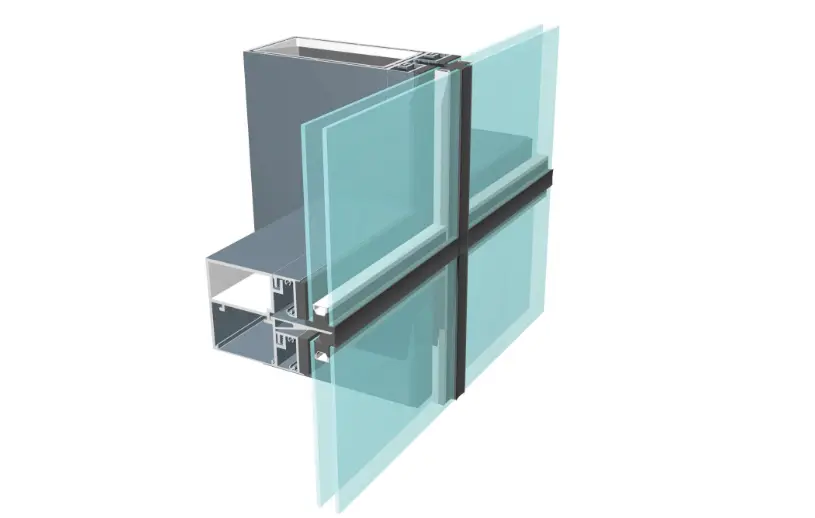
For curtain wall glass installation, precisely align the frame components and ensure a watertight seal with proper gaskets and sealants, following manufacturer guidelines. For maintenance, regularly inspect and clean the glass and frames, check and clear drainage systems, and inspect seals for wear or damage. Professional, periodic inspections are recommended to prevent costly future issues.
Installation tips
Precision and alignment: Install vertical mullions first, ensuring they are perfectly plumb and aligned to maintain structural integrity. Check alignments with levels and plumb lines throughout the process. Use a checklist to verify all components, including anchors, are correctly fixed according to approved shop drawings.
- Weatherproofing: Use sealants and gaskets effectively to create a weather-tight seal between the framing members and the building structure.
- Cleaning and protection: Follow manufacturer recommendations for cleaning agents and avoid abrasive cleaners.
- Manufacturer guidelines: Always follow the manufacturer’s specific instructions and best practices to ensure a high-quality, durable installation.
Read also:
Curtain Wall Details | Types & Glass Systems in Saudi Arabia
Average Curtain Wall Installation Cost in 2026
Modern Aluminium bathroom door designs
Commercial aluminum window manufacturers
Maintenance tips
Routine inspections: Conduct regular, scheduled inspections of seals, frames, and drainage systems. Inspect for any signs of damage, wear, or degradation.
- Cleaning: Clean glass surfaces on both sides to remove dirt, labels, and other defacements. Use water and mild soap first, and only use stronger cleaning agents after spot-testing and following manufacturer guidance.
- Drainage: Regularly inspect and clear debris from drainage channels and outlets to prevent water pooling and leaks.
- Energy efficiency: Check for drafts or temperature fluctuations that may indicate failed seals or insulation.
“Elevate your architectural projects with our high-quality curtain wall glass solutions tailored to meet your unique specifications.”
Cost Considerations for Different Curtain Wall Glass Types
The cost of curtain wall glass depends on factors like glass type, performance, and system complexity. Standard glass is the cheapest, while high-performance options like double-glazed units with low-E coatings or insulating glass units (IGUs) cost more upfront but save energy long-term. Triple glazing offers even better insulation but is heavier and more expensive. For a balance of cost and quality, consider designs that use less complex glass and materials.
| Glass Type/Feature | Initial Cost | Potential Long-Term Savings | Other Considerations |
| Standard Glass | Lowest | Minimal | Lower energy efficiency. |
| Double-Glazed with Low-E Coatings | Moderate | Moderate | A good balance of performance and cost; reduces heat transfer. |
| Triple-Glazed | Highest | Highest | Heavier and more expensive, but provides superior insulation. |
| Laminated Glass | High | High | Offers increased durability and safety, which can reduce replacement costs. |
| Frameless Systems | High | High | Achieves a sleeker, more modern look but can be more expensive to install. |
Best curtain wall suppliers in Saudi Arabia
Samman Aluminum Factory stands out as one of the leading suppliers of curtain wall systems in Saudi Arabia, renowned for its commitment to quality and innovation. With a state-of-the-art manufacturing facility, the company delivers a diverse range of aluminum and glass products tailored to meet the unique demands of the regional market. One of Samman’s key advantages is its extensive experience in the industry, allowing them to provide customized solutions that not only enhance architectural aesthetics but also ensure durability and energy efficiency.
Our skilled professional team offers comprehensive support, from design to installation, ensuring client satisfaction at every stage. Additionally, Samman Aluminum Factory emphasizes sustainability by incorporating advanced technologies into our products, making us a trusted partner for environmentally conscious builders and developers in Saudi Arabia. Our reputation for reliability and excellence positions them as a preferred choice for curtain wall systems, setting benchmarks in the construction industry.
Conclusion and Recommendations
The conclusion is that selecting the right glass for a curtain wall involves balancing aesthetics, energy efficiency, safety, and cost, which requires careful consideration of factors like the building’s climate, orientation, and local codes. The recommendation is to use a combination of high-performance, energy-efficient glass types, such as double or triple-glazed units with low-e coatings, tempered or laminated safety glass for security, and appropriate tints or reflectivity to manage solar gain and glare. Additionally, engineers should consider structural requirements, proper sealing, and the use of specialists to ensure a durable and compliant system
Contact us for Customized Solutions and Consultations
For inquiries or to discuss your specific needs, please reach out to us:
Samman Aluminum Factory
- Phone: (+966) 58 001 5614
- Email: sales@sammangroup.com
- Address: Al-khomra district, Jeddah Chamber of Commerce warehouses,1st phase, No.7
“Contact us today for expert consultations and personalized recommendations on the best curtain wall glass types for your needs!”
Read also:
Aluminium double-glazed windows prices.
Types of Glazing Systems: A Complete Guide to Modern Facades
FAQs About Curtain Wall Glass Types
What kind of glass is used for curtain walls?
Tempered glass is typically used for curtain walls due to its strength and safety features.
What are the three types of curtain walls?
Curtain walls are available in three main systems: face-sealed, water-managed, and pressure-equalized.
What are the different types of glass wall systems?
Glass partitions include framed, semi-framed, frameless, frosted, acoustic, modular, and sliding options.