
Skylight Design for Residential & Commercial Projects

Many residential and commercial projects struggle with the same issue: interiors that rely heavily on artificial lighting despite abundant sunlight outside. This leads to higher energy costs, less comfortable spaces, and designs that feel closed or outdated.
In Saudi Arabia, where daylight is available almost year-round, ignoring this resource is a missed opportunity. The solution lies in skylight design that is planned correctly from the start.
A well-executed skylight strategy improves natural lighting, enhances architectural value, and supports energy efficiency without compromising thermal comfort. This article explains how professional skylight design can solve these challenges in a practical, cost-effective way for modern projects.
Table of Contents
What Is Skylight Design?
Skylight design refers to the architectural planning and technical integration of roof openings that allow natural daylight to enter a building. Unlike simple roof windows, professional architectural skylight design considers structure, orientation, climate, insulation, and visual impact.
In commercial projects, skylight design is not a decorative element; it is a functional system that supports building performance. When integrated correctly, natural light skylight solutions reduce dependence on artificial lighting while maintaining interior comfort.
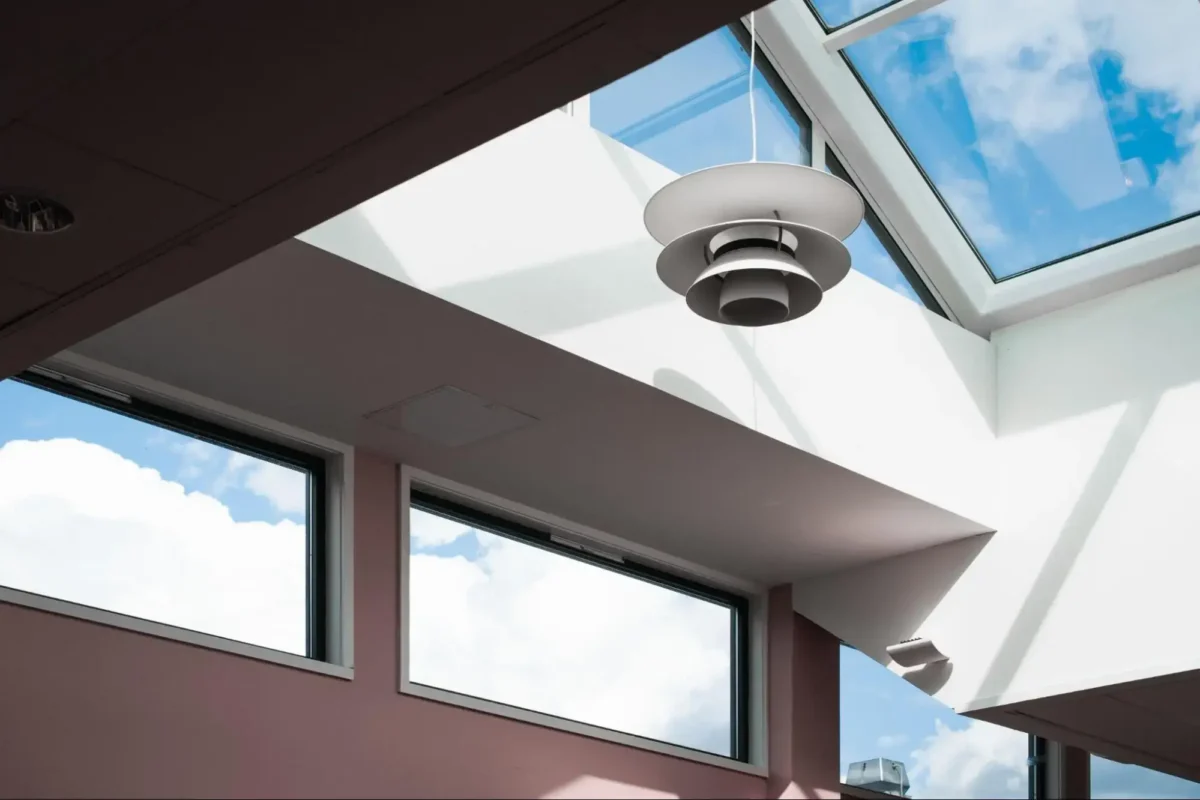
Key elements of effective skylight design include:
- Placement based on sun path and building orientation
- Glazing selection for heat control and light diffusion
- Integration with roofing and structural systems
- Compatibility with ventilation and shading solutions
Illuminate your space with precision and style
Reach out to Al-Samman on WhatsApp now and choose the perfect skylight system for your project.

Why Skylight Design Is Essential for Modern Saudi Architecture
Saudi architecture faces unique environmental and operational challenges. High temperatures, intense sunlight, and rising energy costs require smarter building solutions. This is where energy-efficient skylights become essential rather than optional.
Strategic roof skylight design helps architects and developers achieve several goals at once:
- Maximizing daylight without excessive heat gain
- Reducing electricity consumption during daytime hours
- Creating healthier, more productive indoor environments
- Enhancing the visual quality of large commercial spaces
In offices and retail projects, proper skylight design improves user experience and productivity by providing balanced daylight. In residential developments, it adds value by creating brighter, more open living areas.
From a regulatory and sustainability perspective, skylight design supports:
- Energy efficiency targets
- Green building certifications
- Long-term operational savings
Types of Skylight Designs
Choosing the right skylight depends on building type, roof, and function, ensuring a balance of performance, cost, and aesthetics.
1. Fixed Skylights
These are non-operable units designed purely for daylighting. They are commonly used in malls, corridors, atriums, and warehouses where ventilation is not required. Fixed skylights are reliable, low-maintenance, and ideal for consistent natural light skylight performance.
2. Ventilated Skylights
Operable skylights provide both daylight and natural ventilation, They are suitable for residential projects, offices, and hospitality buildings where air circulation improves comfort and indoor air quality.
3. Tubular Skylights
Tubular systems channel sunlight through reflective tubes, making them ideal for small or enclosed spaces such as bathrooms, corridors, and storage areas. They are compact, efficient, and easy to integrate into existing structures.
4. Architectural Glazed Skylights
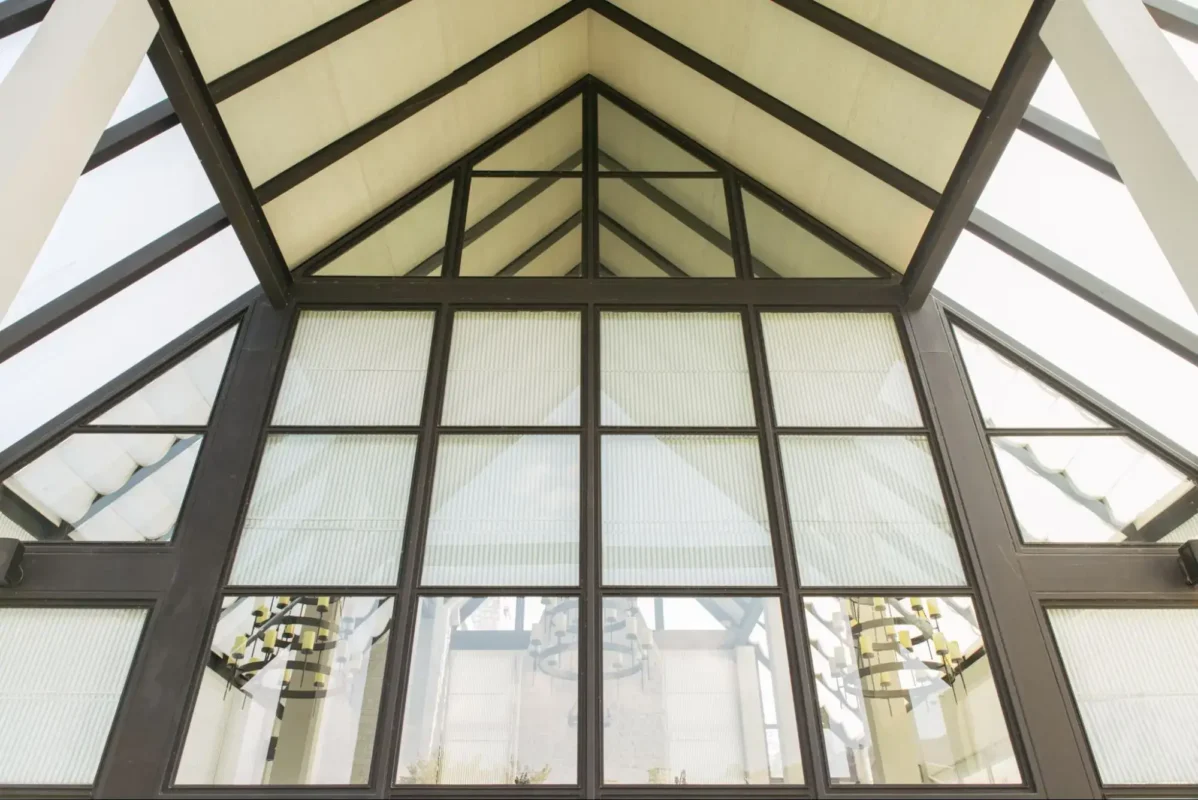
These are custom-designed solutions used in landmark projects. Large-span glazed skylights create visual impact while delivering controlled daylight. Advanced glazing ensures thermal insulation and UV protection, making it suitable for high-end commercial developments.
5. Modular Skylight Systems
Prefabricated skylight systems offer consistency, faster installation, and predictable performance. They are often used in large scale commercial and industrial projects where efficiency and standardization are priorities.
Materials and Components in Skylight Design
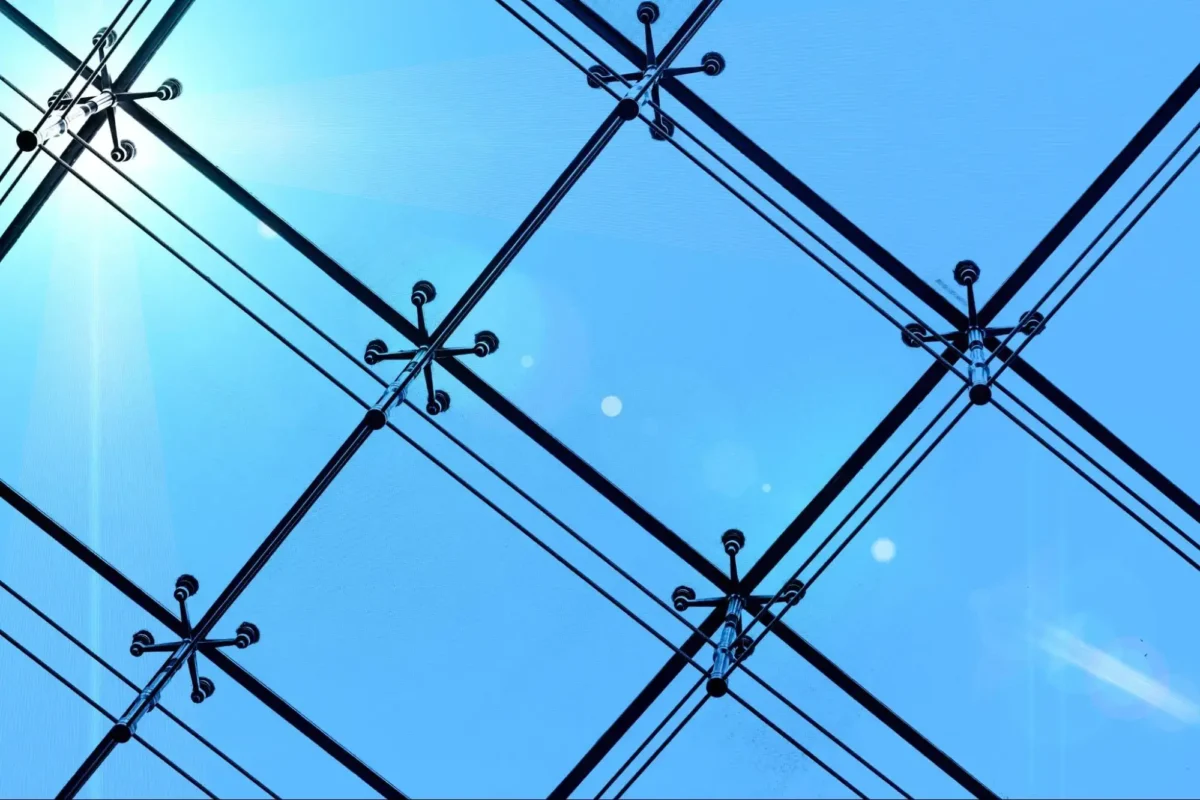
The success of any skylight design depends on material quality and how components function together as a complete system.
- Glazing:
- The most critical element in professional architectural skylight design.
- High-performance double or triple glazing with LowE coatings helps control solar heat gain while maximizing natural light.
- Essential for energy-efficient skylights, especially in hot climates.
- Frame Systems:
- Thermally broken aluminum profiles are the standard, combining structural strength, corrosion resistance, and thermal insulation.
- Poor framing can lead to air leakage, condensation, and long-term maintenance issues.
- Sealing Materials:
- Includes EPDM gaskets, multi-layer waterproof membranes, and structural silicone.
- Ensures durability and protection from dust, water infiltration, and UV exposure.
- Functional Components:
- Light diffusers, internal shading, and automated controls regulate daylight precisely.
- Enhance comfort without compromising the quality of natural light.
Bring natural light to life in your designs Connect with Al-Samman today via WhatsApp to discuss efficient and stunning skylight solutions tailored to your needs.
Applications of Skylight Design
1. Residential Buildings & Villas
In residential environments, skylight design focuses on comfort, livability, and visual openness. Skylights are commonly used to bring daylight into central spaces such as living rooms, stairwells, corridors, and bathrooms where side windows are limited. Smart skylight design ideas help distribute light evenly, reducing glare while creating a brighter and more welcoming interior.
For villas, choosing the right skylight types, such as fixed or operable units can also support natural ventilation and improve indoor air quality. When combined with proper glazing and shading, residential skylights enhance daylight without increasing indoor heat.
2. Commercial Buildings & Malls
In commercial projects, skylight design plays a strategic role in both user experience and operational efficiency. Shopping malls, offices, and mixed use developments rely on large-span skylights to illuminate atriums, corridors, and public zones. Effective architectural skylight design improves wayfinding, highlights architectural features, and creates a more engaging environment for visitors.
From a business perspective, energy-efficient skylights reduce daytime lighting costs and support sustainability targets. Well-designed skylight systems also ensure consistent light levels across large areas, which is critical for retail presentation and employee productivity.
3. Industrial Facilities
In industrial facilities, skylights are primarily functional, but their impact is significant. Warehouses, factories, and logistics centers use skylight design to provide uniform daylight across work areas, improving visibility and reducing reliance on artificial lighting during operational hours.
Durable roof skylight design solutions, often modular or continuous systems, are preferred for their ease of installation and low maintenance requirements. By integrating robust glazing and weather-resistant components, industrial natural light skylight solutions enhance safety, support energy savings, and meet performance standards without disrupting workflow.
Top Skylight Design Trends for 2026
The focus of skylight design in 2026 is clear: better performance, smarter control, and seamless architectural integration. Projects are no longer judged by how much light enters a space, but by how efficiently that light is managed. One of the strongest trends is the shift toward energy-efficient skylights that combine high daylight transmission with advanced solar control, reducing cooling loads without compromising comfort.
Key skylight design trends shaping 2026 include:
- Minimalist architectural integration: Clean profiles, concealed frames, and flush roof skylight design that blends naturally with modern façades and interiors.
- Large span and modular solutions: Expanded use of modular skylight systems for malls, offices, and public spaces, allowing uniform daylight distribution and faster installation.
- Smart daylight management: Automated shading, glare control, and ventilation systems that adapt to temperature and sunlight levels, enhancing the performance of every natural light skylight.
- Purpose-driven skylight types: Greater awareness of selecting the right skylight types fixed, operable, or linear, based on function, not aesthetics alone.
These trends reflect a more mature approach to architectural skylight design, where visual appeal supports long-term efficiency and building performance.
Read more:
Best Artificial Skylights in Saudi Arabia 2026 | Types, Prices, Installation Guide
Best Sliding Doors for Villas in Saudi Arabia | Al Samman Aluminium Factory
Structural Glazing vs Curtain Wall: Key Differences & Uses
Cost, Installation & Maintenance Considerations
When evaluating skylight design, cost must be assessed as a lifecycle investment, not just an upfront expense. Initial pricing varies depending on glazing quality, structural complexity, and the chosen skylight systems, but performance-driven solutions often deliver higher returns over time، Key factors that influence cost and reliability include:
- Design and structural coordination: Proper planning reduces installation risks and prevents costly modifications to the roof structure.
- Material quality: High-performance glazing and thermally broken aluminum frames increase durability and support energy-efficient skylights.
- Installation expertise: Incorrect installation is one of the leading causes of leaks and heat loss in roof skylight design.
- Maintenance requirements: Modern skylights are designed for low maintenance, but access for inspection, cleaning, and seal replacement should be planned from the start.
Transform your project with exceptional skylights.
Message Al-Samman on WhatsApp now and plan your ideal natural light system with our expert guidance.
Why Al-Samman Aluminum Is the Leader in Skylight Installation?
Al-Samman Aluminum is one of the leading aluminum companies in Saudi Arabia, specializing in skylight design, advanced roof skylight solutions, and high-performance systems.
What sets Al-Samman Aluminum Factory apart:
- Full service solutions: Design, fabrication, installation, and after-sales maintenance.
- High-quality materials: Durable aluminum frames and glazing for energy-efficient skylights.
- Proven projects: Delivered major works for Al Rajhi Bank, Banque Saudi Fransi, Bank AlJazira, and Alinma Bank.
- Expertise in all skylight types: From residential villas to large commercial and industrial facilities.
For reliable, efficient, and visually striking natural light skylight solutions, contact Al-Samman through WhatsApp today to plan your project with the ideal system.
FAQs about Skylight design in Saudi Arabia
What are the three types of skylights?
– fixed skylights.
– ventilated/operable skylights.
– tubular skylights.
How to design skylights?
Skylight design involves considering building orientation, sun path, glazing type, insulation, and integration with roofing and shading systems to optimize natural light and energy efficiency.
What is the rule of thumb for skylight?
A common guideline is that skylights should cover 5–15% of the room’s floor area to provide balanced daylight without excessive heat gain.
How to construct a skylight?
Constructing a skylight requires structural opening in the roof, proper framing and sealing, installation of glazing, and integration with insulation and waterproofing systems to ensure durability and performance.