Structural Glazing vs Curtain Wall: Key Differences & Uses


In the debate of structural glazing versus curtain walls, project owners and investors face critical decisions impacting both aesthetics and cost. Structural glazing creates a seamless, modern, all-glass exterior by bonding panels directly to a frame, providing superior aesthetics and insulation. Conversely, curtain walls offer a more economical solution with visible-frame cladding, making them a popular choice for large-scale, high-rise buildings. Understanding the nuances of these two approaches is essential for good investment decisions and can greatly influence the project’s success. Let’s explore the benefits and considerations of each system.
What Are Structural Glazing and Curtain Wall Systems?
In discussions of building design, the terms structural glazing vs curtain wall often arise. While both enhance aesthetics and natural light, structural glazing provides a modern, seamless appearance that sets it apart.
Defining Structural Glazing
Structural glazing is an advanced curtain wall system that bonds glass panels directly to a building’s structure using high-performance silicone. This method creates a flush, continuous, and seamless “all-glass” exterior with hidden framing, allowing for greater transparency and reduced thermal bridging.
By minimizing visual interruptions, structural glazing not only enhances the building’s aesthetics but also contributes to improved energy efficiency. This system can be implemented in various ways, including stick-built or unitized designs, often utilizing spider fittings, cables, or specialized fins to achieve its sleek look.
Defining Curtain Wall Systems
Curtain wall systems, in contrast, are non-structural, aluminum-framed exterior walls that rely on the primary structure of the building for support. These systems typically feature visible aluminum frames, caps, or pressure plates that hold the glass in place.
Designed to resist wind loads and keep out the elements, curtain walls are versatile and can incorporate various infill materials, such as glass, metal, or stone. Although curtain walls are economical and practical for many projects, they lack the seamless elegance of structural glazing, choosing between the two designs a crucial decision for project owners and investors.
“Invest in cutting-edge architectural solutions that deliver seamless aesthetics and energy efficiency. Partner with Samman Aluminum Factory to explore the stunning benefits of structural glazing for your next high-end project.”
Key Differences: Structural Glazing vs Curtain Wall
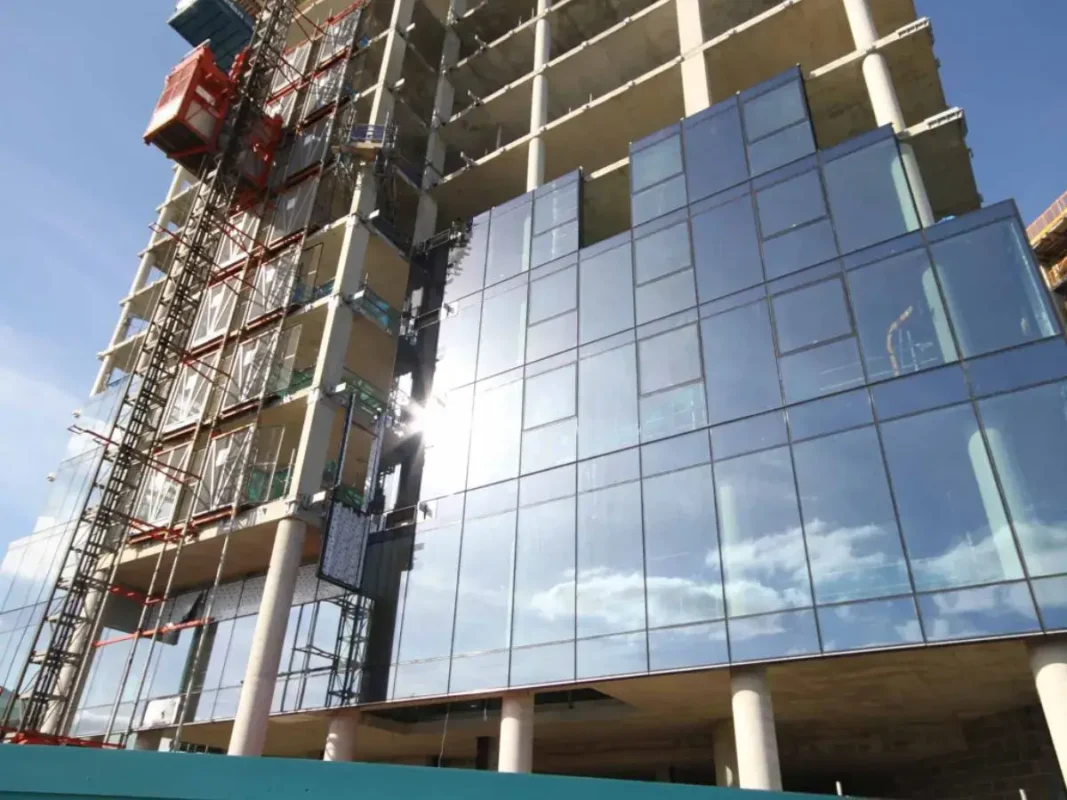
Structural glazing offers a contemporary, flush-glass appearance achieved through silicone bonding, while curtain walls rely on visible aluminum frames and mechanical fasteners for glass support. Generally, structural glazing is costlier, demands precise, factory-prefabricated installation, and provides superior aesthetic consistency. In contrast, curtain walls are more economical, versatile, and easier to maintain. Key Differences Between Structural Glazing and Curtain Walls:
- Aesthetics and Design: Structural glazing delivers a smooth, uninterrupted glass façade with no visible framing. In contrast, curtain walls often incorporate visible aluminum pressure plates, caps, or frames.
- Structural Support and Attachment: Glass panels in structural glazing are affixed to the building’s framework using high-strength structural silicone. Curtain walls, on the other hand, utilize mechanical fasteners (clamps) to secure the glass to the frame.
- Installation and Fabrication: Structural glazing is frequently prefabricated off-site, which allows for quicker installation but requires high precision and skilled labor. Curtain walls are usually assembled on-site, making them more forgiving during the installation process.
- Cost: Structural glazing tends to be more expensive due to the need for specialized materials and intricate engineering. Curtain walls are usually more budget-friendly.
- Maintenance Needs: Structural glazing necessitates careful monitoring of silicone sealant integrity, while curtain walls are often easier to maintain since panels can be detached without affecting structural sealants.
- Performance Capabilities: Both systems can deliver excellent thermal insulation and weather resistance. However, structural glazing provides a seamless, modern aesthetic suited for high-end facades, whereas curtain walls are ideal for diverse, large-scale projects.
Summary Table for Key Differences:
| Key Differences | Structural Glazing | Curtain Wall |
| Appearance | Flush, frameless, seamless | Visible frames, caps, or plates |
| Fastening | Structural silicone sealant | Mechanical fasteners/clips |
| Installation | High precision, pre-fabricated | On-site assembly |
| Cost | Higher | Lower/Budget-friendly |
| Maintenance | Requires sealant inspection | Easier to remove panels |
| Span | Floor-to-floor (typically) | Can span multiple floors |
“Contact us for an exclusive consultation to weigh the advantages of structural glazing versus curtain walls. Ensure your investments lead to exceptional quality and innovation in building design!”
Performance Comparison for Hot Climates Like Saudi Arabia
In hot climates such as Saudi Arabia, structural glazing excels in air and water sealing while offering a sleek, seamless look. Conversely, curtain walls present greater design flexibility and simplified maintenance. Both systems should utilize specialized low-SHGC glass, with photovoltaic (PV)-integrated curtain walls serving as an effective, high-performance option for minimizing cooling demands according to the Saudi Building Code.
Structural Glazing (Premium Aesthetics & Strong Sealing)
- Thermal Efficiency: Delivers exceptional insulation and robust weather resistance thanks to its seamless construction, which is vital for mitigating heat gain.
- Suitability for Hot Conditions: The continuous bonding effectively creates barriers against air and water, significantly reducing air leakage in intense heat.
- Limitation: Requires meticulous installation to ensure durability against UV rays and thermal expansion.
- Aesthetic Appeal: Perfect for achieving a modern, uninterrupted “all-glass” facade.
Curtain Wall (Flexibility & Simplified Maintenance)
- Thermal Efficiency: Offers reasonable insulation, but its effectiveness largely depends on the incorporation of thermal breaks.
- Suitability for Hot Conditions: Well-suited when designed with thermal breaks to manage high solar radiation and increased humidity levels.
- Advantages: Maintenance and panel replacement are more straightforward compared to structural glazing.
- Innovation: Photovoltaic (PV) curtain walls are a technically and economically feasible option in Jeddah for enhancing energy performance.
Summary Table
| Feature | Structural Glazing | Curtain Wall |
| Thermal Insulation | Excellent (Seamless) | Good (Depends on Thermal Break) |
| Air/Water Barrier | Very High | High (Requires sealing) |
| Maintenance | Higher difficulty | Lower/Easier |
| Cost | Generally Higher | Moderate to High |
| Best For | Sleek, Modern facades | Flexible, Functional designs |
Structural glazing vs curtain wall pros and cons
Structural glazing delivers a sleek, frameless appearance with excellent light transmission, utilizing silicone adhesives for support; however, it tends to be pricier and more intricate to install. In contrast, curtain walls are versatile, budget-friendly, and simpler to maintain, thanks to their visible frames and mechanical fasteners, making them a more suitable option for high-rise buildings.
1- Structural Glazing
- Pros: Offers a contemporary, frameless look that enhances aesthetic appeal without visible metal frames. It excels in thermal performance and energy efficiency, maximizing natural light and providing unobstructed views.
- Cons: Typically incurs higher material and labor expenses. The installation process is complex, necessitating skilled labor and precise execution. Maintenance requires certified contractors for silicone seal inspections.
2- Curtain Wall
- Pros: More affordable overall, making it budget-friendly for various projects. Installation and maintenance are simpler, with individual panels that can usually be replaced easily. It provides solid structural integrity, especially for high-rise buildings, and allows for customization with different infill materials and finishes.
- Cons: The visible framing may not align with certain minimalist design preferences. It may result in lower energy efficiency unless constructed with high-quality thermal breaks.
Read also:
Commercial aluminum window manufacturers
Aluminium double-glazed windows prices.
Modern Aluminium bathroom door designs
Curtain Wall Details | Types & Glass Systems in Saudi Arabia
Structural glazing vs curtain wall cost
Structural glazing systems typically come at a higher cost, starting from £1,000+ (approximately SAR 4,700+) compared to standard curtain walls at £750/m² (roughly SAR 3,500+). This price difference is largely due to the specialized silicone bonding, engineering, and labor involved. In Saudi Arabia, the price for curtain wall materials varies between SAR 94 and SAR 560 per m² ($15–$60/sq. ft.), while premium options can exceed SAR 1,800/m².
- Structural Glazing: Typically ranges from SAR 3,500 to over SAR 5,000 per m² for both installation and materials. Local pricing in Saudi Arabia may range from SAR 24 to SAR 1,357, depending on specific requirements.
- Standard Curtain Wall: More affordable, generally starting around SAR 2,800–3,500 per m².
- Unitized Curtain Wall: High-end systems can cost between SAR 375 and SAR 560 per m² ($104–$150/sq ft.).
- Double-glazed windows (Residential/Office): These typically range from SAR 800 to SAR 2,500 per unit, depending on size and materials used.
“Discover how curtain walls can transform your commercial developments with their cost-effectiveness and design flexibility. Contact us to provide tailored solutions to enhance the performance of your buildings.”
structural glazing vs curtain wall: Installation and Maintenance Best Practices
Structural glazing employs silicone to attach glass directly to the building frame, creating a smooth, uninterrupted appearance. In contrast, curtain walls consist of non-load-bearing frames that support glass panels. Key best practices involve meticulous shop fabrication, the careful application of specialized sealants, and routine inspections of seals, gaskets, and overall structural integrity.
Installation Best Practices
Structural Glazing
- Environmental Control: Ensure the application of structural silicone takes place in a clean, dust-free environment to achieve optimal adhesion.
- Surface Preparation: Substrates should be meticulously cleaned and primed per the manufacturer’s guidelines to prevent adhesive failure.
- Precision and Testing: Achieve high precision in panel alignment and conduct adhesion tests on substrates using the specified glass, sealant, and coatings for the project.
- Curing Time: Give structural sealants sufficient time to fully cure before imposing any structural loads.
Curtain Wall
- System Selection: Opt for unitized systems in high-rise buildings to ensure quality control during factory fabrication, thereby minimizing field variables.
- Thermal Breaks: Ensure the correct installation of thermal breaks to enhance energy efficiency.
- Weather Sealing: Use high-quality gaskets and wet sealants to ensure air and water tightness.
Maintenance Best Practices
Structural Glazing
- Sealant Inspection: Since the structural silicone bond is often not visible, regularly check for deterioration signs such as cracks or discoloration.
- Cleaning: Use gentle, non-abrasive cleaners and soft cloths to avoid scratching the glass surface.
- Professional Assessment: Schedule regular inspections by professionals for high-rise structures to ensure ongoing integrity.
Curtain Wall
- Gasket Inspection: Look for any cracks, gaps, or shrinkage in gaskets to ensure they maintain their effectiveness.
- Frame Monitoring: Check aluminum or steel frames for signs of corrosion and verify that all fasteners are secure.
- Drainage Check: Make certain that weep holes are free from debris to prevent water accumulation.
- Component Replacement: Promptly replace any damaged or worn seals to sustain thermal and weather performance.
FAQs: Structural Glazing vs Curtain Wall
Looking for the Best Facade Solution?
Top facade solutions for modern buildings include Aluminum Composite Panels (ACP), glass systems, Terracotta, High-Pressure Laminates (HPL), and fiber cement boards, chosen for durability, energy efficiency, and aesthetics. Key innovations feature ventilated facades, Building Integrated Photovoltaics (BIPV), and smart, sustainable materials tailored to specific climates and design requirements.
What is the difference between a glass wall and a curtain wall?
Curtain walls are designed as non-load-bearing elements that “hang” from the building’s structure, whereas window walls are situated between floor slabs and depend on the building’s structural support. Curtain walls provide increased design versatility, improved energy efficiency through the use of thicker glass units, and reduced maintenance requirements.
Is glazing a curtain wall?
Glazing is the process of installing glass in windows, doors, or any openings that permit light entry into a building. While it is an integral part of curtain walls, glazing can also apply to glass used in various other areas of a structure.
What is structural glazing?
In their most basic form, structural glazing systems are a type of curtain wall configuration where glass is either bonded or anchored to the building structure, eliminating the need for continuously gasketed aluminum pressure plates or caps.